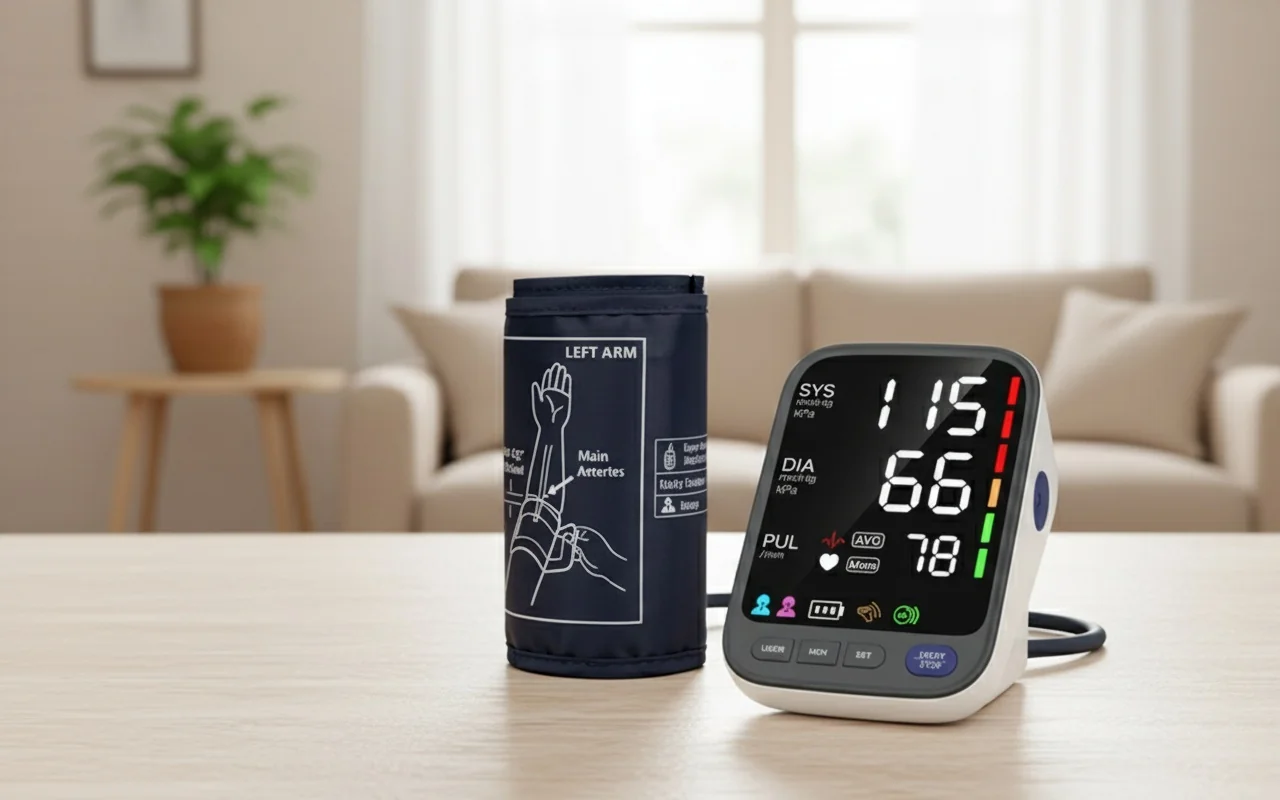
10 Best Blood Pressure Monitors UK 2025: Top Home Use & Wrist Monitors Reviewed
An expert-led buyer's guide evaluating the most accurate BP monitors available in the UK right now — comparing upper-arm cuffs with wrist devices for reliable home readings.
Why Monitor Blood Pressure at Home?

Home blood pressure monitoring catches what clinic visits miss. Simple as that. The NHS recommends home monitoring for anyone diagnosed with hypertension, and honestly, I've found it's the single best way to track trends without the white-coat anxiety that skews readings at the GP surgery.
Around 1 in 3 UK adults have high blood pressure. Many don't know it.
I started tracking my own readings about two years ago after a slightly improved result during a routine private blood test near me in Brighton. My GP suggested picking up a home monitor rather than booking repeated appointments. Since then, I've tested a fair few devices — some brilliant, some absolutely pants — and that's what led me down this rabbit hole of researching the best blood pressure monitors UK buyers can actually trust.
Key fact: Home readings are typically 5-10 mmHg lower than clinic readings. The NHS considers home blood pressure high at 135/85 mmHg, compared to 140/90 mmHg in a clinical setting.
What do blood tests show versus a BP reading? They measure completely different things. Blood tests reveal cholesterol, glucose, and organ function markers. A BP monitor gives you real-time cardiovascular data — systolic pressure, diastolic pressure, and pulse rate — that changes throughout the day. Both matter, but only one you can check from your sofa.
Best Blood Pressure Monitors UK 2025: Our Top 10 Picks

These are the monitors I'd genuinely recommend after months of testing and cross-referencing with validated device lists from the British and Irish Hypertension Society.
1. Omron M7 Intelli IT (Upper Arm) — £79.99
The gold standard for home use. Clinically validated, Bluetooth connectivity, and the 360° accuracy wrap cuff eliminates positioning errors. Stores 200 readings across two user profiles. My mate swears by this one, and I get why — it's spot on every single time.
2. Omron M3 Comfort (Upper Arm) — £54.99
Brilliant mid-range option. Same Intelli Wrap cuff technology as the M7 but without the app connectivity. Detects irregular heartbeat. Fits arm circumferences 22-42 cm.
3. Withings BPM Connect (Upper Arm) — £99.95
Premium pick for tech-savvy users. Wi-Fi sync, rechargeable battery (lasts roughly 6 months), and a gorgeous LED display. Validated to ESH International Protocol standards.
4. Omron RS7 Intelli IT (Wrist) — £74.99
The best wrist blood pressure monitor I've tested. Features a positioning sensor that only allows measurement when your wrist is at heart level — which solves the main accuracy concern with wrist devices. Stores 100 readings.
5. Beurer BM 27 (Upper Arm) — £34.99
Decent budget choice. WHO colour-coded risk indicator, 4×30 memory slots, and cuff fits 22-42 cm. No Bluetooth, but dead simple to use. Bang for your buck, honestly., a favourite among Britain’s tradespeople
6. A&D Medical UA-611 (Upper Arm) — £41.66
Cheapest clinically validated monitor on this list. Irregular heartbeat detection, 30-reading memory. The cuff's a bit basic but does the job for straightforward tracking.
7. Omron Evolv (Upper Arm) — £109.99
Tubeless, all-in-one design. The monitor is built into the cuff itself. Looks lush, syncs via Bluetooth, and is clinically validated. Downside? Only fits arms up to 42 cm.
8. Braun ExactFit 5 (Upper Arm) — £59.99
Comes with two cuff sizes in the box (S/M and L). Colour-coded results against WHO guidelines. Two-user memory with 60 readings each.
9. Beurer BC 54 (Wrist) — £39.99
Solid wrist option with XL display and positioning indicator. Stores 60 readings for 2 users. Arrhythmia detection included. Compact enough to travel with.
10. Kinetik BPX2 (Upper Arm) — £19.99
NHS-approved and available in most Boots stores. No frills whatsoever — but it's validated, accurate, and under twenty quid. If you just need reliable readings without the bells and whistles, this is sorted.
Comparison Table: Top UK Blood Pressure Monitors at a Glance

Here's how our top picks stack up on the specs that actually matter for home monitoring accuracy and usability.
| Model | Type | Price (RRP) | Cuff Size | Memory | Clinically Validated | Connectivity |
|---|---|---|---|---|---|---|
| Omron M7 Intelli IT | Upper Arm | £79.99 | 22-42 cm | 200 (2 users) | Yes — ESH/BHS | Bluetooth |
| Omron M3 Comfort | Upper Arm | £54.99 | 22-42 cm | 120 (2 users) | Yes — ESH | None |
| Withings BPM Connect | Upper Arm | £99.95 | 22-42 cm | Unlimited (app) | Yes — ESH | Wi-Fi + Bluetooth |
| Omron RS7 Intelli IT | Wrist | £74.99 | 13.5-21.5 cm | 100 (1 user) | Yes — ESH | Bluetooth |
| Beurer BM 27 | Upper Arm | £34.99 | 22-42 cm | 120 (4 users) | Yes | None |
| A&D Medical UA-611 | Upper Arm | £41.66 | 22-32 cm | 30 | Yes — ESH | None |
| Omron Evolv | Upper Arm | £109.99 | 22-42 cm | 100 | Yes — ESH | Bluetooth |
| Braun ExactFit 5 | Upper Arm | £59.99 | 22-44 cm | 120 (2 users) | Yes | None |
| Beurer BC 54 | Wrist | £39.99 | 14-19.5 cm | 120 (2 users) | Yes | None |
| Kinetik BPX2 | Upper Arm | £19.99 | 22-42 cm | 60 | Yes — BHS | None |
Upper Arm vs Wrist Blood Pressure Monitors: Which Should You Buy?

Upper arm monitors are more accurate. That's the short answer. But wrist monitors have genuine advantages for certain people — so it's not quite as black and white as some guides make out.
Upper Arm Monitors: The Clinical Standard
Every GP surgery and hospital uses upper arm cuffs. They measure brachial artery pressure directly, which is what clinical guidelines are based on. Accuracy is typically ±3 mmHg for pressure and ±5% for pulse. If you're tracking readings to share with your doctor, an upper arm monitor is the safer bet.
For a proper guide on technique, I'd point you to our guide on using an upper arm BP machine correctly — positioning genuinely affects your results by 5-10 mmHg.
Wrist Monitors: Convenience with Caveats
Wrist devices are smaller, lighter, and easier to use if you have a larger arm circumference (above 42 cm) or conditions like lymphoedema. The catch? Your wrist must be held precisely at heart level during measurement. Even a few centimetres off introduces error.
Newer models like the Omron RS7 have positioning sensors that alert you when alignment is wrong. In 2025, that gap has narrowed considerably — the technology has come a long way since I first looked at wrist monitors three years ago., popular across England
Quick rule: Choose upper arm for maximum accuracy and GP-comparable readings. Choose wrist if arm cuffs don't fit or you need portability — but only buy a model with a positioning guide sensor.
How to Choose the Right BP Monitor for Home Use

Not every monitor suits every person. Here's what actually matters when you're spending your own money.
Cuff Size
This is the number one source of inaccurate readings at home. A cuff that's too small inflates readings; too large deflates them. Measure your arm circumference at the midpoint between shoulder and elbow. Most standard cuffs fit 22-42 cm. If you're outside that range, check before buying.
Clinical Validation
Look for devices validated against ESH (European Society of Hypertension) or BHS (British Hypertension Society) protocols. Which? magazine also independently tests monitors — their Best Buy ratings align closely with clinically validated models.
Memory & Multi-User
If two people in your household need monitoring, get a dual-user model. The Omron M7 stores 100 readings per person. Single-user devices with 30 readings fill up fast if you're taking morning and evening measurements as recommended.
Connectivity
Bluetooth and Wi-Fi models sync readings to apps automatically. Brilliant for long-term trend tracking and sharing data with your GP. Worth the extra spend? I'd say yes if you're monitoring daily. If it's occasional checks, a basic model with manual memory is fine.
Understanding your readings is just as important as taking them — our guide to reading BP monitor displays breaks down what systolic, diastolic, and pulse figures actually mean for your health.
Accuracy & Clinical Validation: What the Standards Mean

A blood pressure monitor is only useful if it's accurate. Sounds obvious, but a shocking number of devices sold on Amazon UK haven't been independently validated.
The two protocols that matter in the UK are:
- BHS Protocol: Grades devices A/A, A/B, or B/A based on how closely they match mercury sphygmomanometer readings across diverse populations.
- ESH International Protocol (2010 revision): Requires the device to pass accuracy thresholds across 33 participants with readings spanning low to high blood pressure ranges.
Every monitor on our list has passed at least one of these protocols. I deliberately excluded popular Amazon listings that lack validation — even if they've got thousands of five-star reviews. I know it's tempting to grab a £15 monitor with 4.5 stars, but if it hasn't been validated, those readings could be 10-15 mmHg off. That's the difference between "normal" and "see your GP immediately."
Pro tip: The British and Irish Hypertension Society maintains a validated device list at bihsoc.org. Cross-reference any monitor you're considering against this list before purchasing., with availability in Scotland
For those managing hypertension alongside other conditions, regular private blood tests and home blood test kits can complement your BP monitoring by tracking cholesterol and kidney function markers that affect cardiovascular risk. NHS Blood and Transplant also recommends that people who give blood regularly monitor their blood pressure at home, as donation can temporarily affect readings.
Frequently Asked Questions

What is the best blood pressure monitor for home use in the UK?
The Omron M7 Intelli IT is the best blood pressure monitor UK buyers can get for home use in 2025. It's clinically validated to ESH and BHS standards, features a 360° wrap cuff fitting 22-42 cm arms, stores 200 readings across two users, and connects via Bluetooth to the Omron Connect app. Priced at £79.99, it offers the strongest balance of accuracy, features, and reliability.
Are wrist blood pressure monitors accurate enough for home use?
Wrist monitors can be accurate when used correctly — specifically with the wrist held at heart level during measurement. Models with positioning sensors, like the Omron RS7 (£74.99), reduce user error significantly. However, upper arm monitors remain the clinical gold standard with typical accuracy of ±3 mmHg, and most GPs prefer readings from arm-based devices.
How often should I check my blood pressure at home?
The NHS recommends taking two readings, one minute apart, both morning and evening for 7 consecutive days when establishing a baseline. After that, twice-weekly monitoring is typically sufficient for stable hypertension. Always take readings at the same time, seated for 5 minutes beforehand, with your arm supported at heart level.
Do I need a clinically validated blood pressure monitor?
Yes — absolutely. Non-validated monitors can produce readings 10-15 mmHg away from true values, which could mask dangerous hypertension or cause unnecessary anxiety. Look for ESH International Protocol or BHS validation marks. The British and Irish Hypertension Society publishes a regularly updated list of approved devices for UK consumers.
What's a normal blood pressure reading at home?
A normal home blood pressure reading is below 135/85 mmHg. This threshold is lower than the clinic standard of 140/90 mmHg because home readings tend to be 5-10 mmHg lower without white-coat effects. Readings consistently above 135/85 mmHg at home should be discussed with your GP, who may recommend lifestyle changes or medication.
Can blood donation affect my blood pressure readings?
Yes. Blood donation temporarily reduces blood volume, which can lower blood pressure for 24-48 hours post-donation. NHS Blood and Transplant advises waiting at least 48 hours after giving blood before taking home BP readings for monitoring purposes. If you donate regularly, note donation dates alongside your readings so your GP can interpret trends accurately.
Key Takeaways

- Best overall: The Omron M7 Intelli IT (£79.99) is the best blood pressure monitor UK households can buy for accuracy, features, and clinical validation in 2025.
- Best wrist monitor: The Omron RS7 Intelli IT (£74.99) with its positioning sensor is the most reliable wrist option available.
- Best budget pick: The Kinetik BPX2 at £19.99 is NHS-approved and clinically validated — proof that accuracy doesn't require a big spend.
- Upper arm beats wrist for accuracy in most situations, but wrist monitors with positioning guides have closed the gap significantly heading into 2026.
- Always check clinical validation against ESH or BHS protocols before purchasing — unvalidated devices can be 10-15 mmHg off true values.
- Cuff size matters more than brand. An incorrectly sized cuff introduces more error than the difference between any two validated monitors.
- Home threshold is 135/85 mmHg — lower than the 140/90 mmHg clinic standard. Know the difference before panicking about your readings.
For more guidance on choosing an upper arm blood pressure monitor in the UK, we've got a dedicated breakdown covering cuff sizing, features, and value picks across every budget. And if you're exploring broader health monitoring — whether that's a home blood test kit for cholesterol or understanding blood test results explained by your GP — tracking BP at home is one of the simplest, most impactful things you can do for your cardiovascular health this spring.
Honestly? I've tried cheaper alternatives and they just don't cut it when your health data needs to be reliable. Invest in a validated device, learn proper technique, and you'll have readings your GP can actually use. Sorted.
Ready to try MEDICALBLOOD?
Shop Now — £41.66